$10+
MILLION
Recent Recoveries
Recent Recoveries

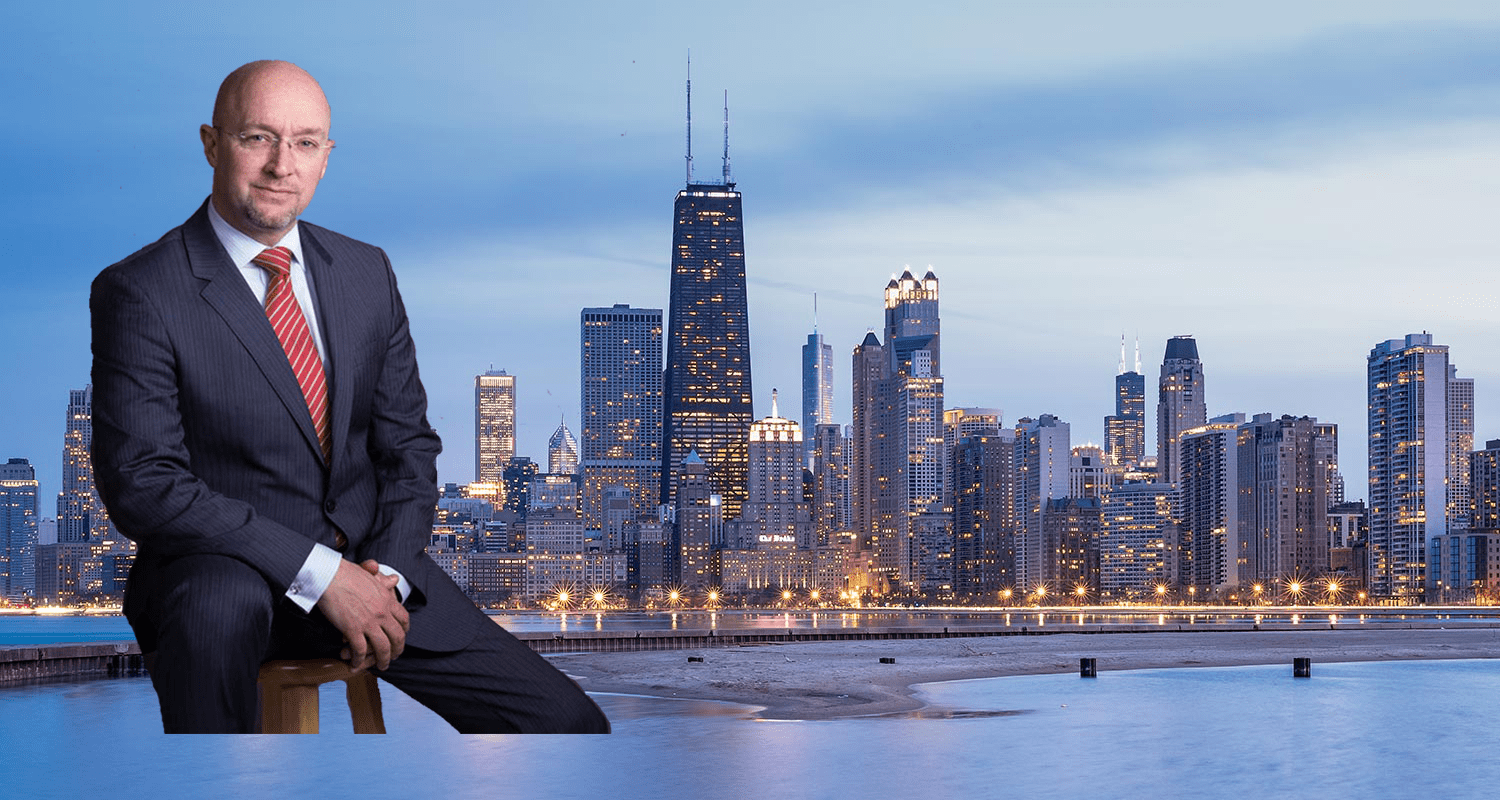
Chicago Accident Attorney Phil Berenz has obtained other numerous settlements and verdicts in other matters and all types of matters.
He has successfully “turned cases around” for defendants when sued and obtained judgments and decisions against plaintiffs suing his clients far in excess of the amounts some plaintiffs originally sought.
Philip has also “first-chaired” (also known as “lead trial attorney” or the only trial attorney) numerous bench and jury trials and has practiced extensively in Illinois State and Federal Courts.
He has also been admitted pro hac vice to litigate in the Western District of Federal Court in Virginia and the States of Florida and California. His clients span the United States, Canada, Ukraine and the Sultanate of Oman. He currently litigates throughout the United States through a network of local counsel and personally.
Prior to law school, Philip spent five years in the securities and derivatives trading division of one of the largest banks in the world. There, he served as a financial analyst and an Assistant Vice-President for U.S. financial operations and foreign financial operations in Hong Kong, England, Germany, Asia and Japan.



“There are all kinds of reasons why you might need a lawyer at some point(s) in your life. Whatever the reason, what you want is someone that understands you, advises you properly (hey, our emotions can override our intellect), works hard on your behalf and is willing to go the distance.
“I have worked with Phil Berenz on cases, and he is always very on top of his files, responsive to client needs, and extremely knowledgable.”
CALL 24/7 FOR IMMEDIATE HELP!
You need someone who knows Illinois injury law and knows the tactics the insurance companies will try to use against you. Attorney Phil Berenz fights for the people of Chicago and he knows the insurance company tactics and the ways they will try to manipulate you into a settlement. If you are suffering from some form of healthcare negligence, you will need an experienced accident attorney.
The insurance company wants to silence you and leave you financially, emotionally, and physically destitute. They may offer a small settlement that won’t even pay for your medical bills, and will leave you with no further recourse against the ones who hurt you.
We often see in legal news that an injured person has settled for significantly less than their case is worth, simply because they didn’t have the right firm fighting for them. Our firm has obtained millions of dollars in lawsuits and settlements for our clients who have suffered from personal injury, including medical malpractice and wrongful death.
With an experienced Chicago personal injury attorney firm like Berenz Law Network in your corner of the ring, you can be assured that we will fight for you, so that you can focus on healing.
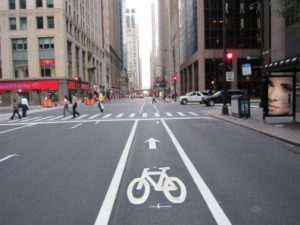
Attorney Phil Berenz is a bicycle accident attorney in Chicago who has been handling bicycle accident related matters for over 20 years.
The City of Chicago has a reputation of one of the most bicycle friendly cities in the United States.
Chicago may be friendly for bikers in comparison to those who live in other cities, but that also means more cyclists on the road. What that also means is that there are more accidents involving bicycles.
According to the National Highway Traffic Safety Administration, more than 600 people are killed in bicycle accidents every year in the Unites States, and more than 60,000 are seriously injured.
If you or someone you love were the victim of a bicycle accident in Chicago, do not wait to speak with Chicago bicycle accident attorney Phil Berenz as soon as possible.

Chicago birth injury attorney Phil Berenz is here to help!
Birth injuries can not only result in life-long physical hardships, but they can also be life-threatening for both a mother and child if not handled correctly by doctors or medical staff.
If you or your child were injured during birth due to medical malpractice, you could be eligible to recover compensation for the liable party’s negligence. Your first step should be to call a Chicago medical malpractice attorney from Berenz Law Network for legal counsel.
Our firm focuses solely on handling personal injury cases, bringing justice to struggling injury victims. We have a strong track-record of producing results and have recovered millions of dollars for our clients over the years. We are confident in our ability to achieve positive results and do not accept payment unless we win your case. We are experienced, zealous, and ready to fight for you!

Chicago Brain Injury Attorney Phil Berenz is here to FIGHT for you!
Traumatic brain injury (TBI) occurs as the result of a strong external force such as a blow to the head.
When the external force causes trauma—a shock or wound caused by a sudden violent injury—it can result in serious and life-threatening complications. The severity of the brain injury will depend of several factors such as whether or not the injury penetrated the head and the location of the actual injury. Traumatic brain injury has a high ratio of disability and, in some cases, death.
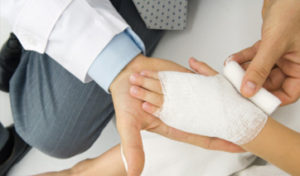
A severe burn injury can leave the victim dealing with overwhelming medical expenses, permanent scarring, and missed wages.
If someone else’s negligence caused your burn injuries, you have the right to seek financial compensation to cover lost wages, medical costs, and non-economic damages such as pain and suffering. Compensation can relieve the financial burden that often accompanies medical treatment and help you find peace of mind about the future and your finances.
We take no fee for our services until we have successfully settled your case. If you need an experienced burn injury lawyer in Chicago, you should take advantage of the skilled legal guidance that the team at Berenz Law Network offers each of our clients.
We have secured millions of dollars in compensation for accident victims over the last decade, so you can rest assured that we know what it takes to win a difficult case.
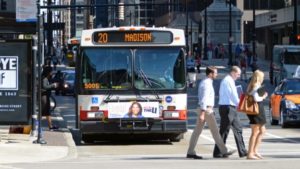
Chicago bus accident attorney Phil Berenz is dedicated to helping victims of bus crashes as they seek personal injury compensation for medical and non-economic damages.
Phil can handle your bus accident claim and help you fight for the compensation that you deserve.
Common Causes of Bus Accidents
When the cause of a bus accident is the result of a negligent driver, it is due to one or more of the following reasons:
-Driver impaired by drugs, medication, or alcohol
-Driver failed to heed road conditions, signs, or weather hazards
-Driver was speeding
-Driver negligence
Other causes can be defective or faulty equipment on the bus, such as brake or steering systems, tires or other system failure.
Chicago Car Accident Attorney Phil Berenz Answers Your Questions
Not necessarily. Whether or not you will have to go to court will depend on the response that we get from the other driver’s insurance company. For example, if the other driver’s insurance provider agrees to pay the amount that we have determined to be the worth of your case, then no courtroom action will be needed. In most cases, car accident claims can be settled outside of court. However, a trial proceeding could be necessary if the other driver’s insurance company refuses to pay you the settlement amount that we feel you rightfully deserve.
No. The intentions of the other driver’s insurance company when asking for your medical records could be misleading. While they may seem concerned with your health and well-being, they might actually be searching for information to be used against you in your case. Therefore, it is not wise to release such information to the other driver’s insurance company simply because they asked you to do so. Only a very limited set of circumstances call for the release of a car accident victim’s medical records, which is why you should always speak to an attorney about this type of matter before taking any action.
Personal injury arises from a wide variety of motor vehicle accidents, which include car accidents involving collisions with another car or third party; motorcycle accidents involving other vehicles or hazardous conditions; and truck accidents involving big-rig and commercial trucks.
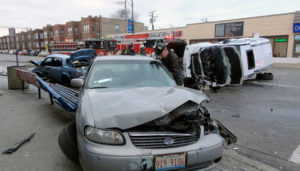
I make sure that you get the insurance compensation you need to recover from the physical and emotional trauma caused by other people’s negligence.
It is difficult to assess the extent of the damages, especially when the sudden impact clouds an individual’s judgment. This is why the assistance of an experienced lawyer is imperative. That is what I am here for. I have the skill to negotiate better compensation terms that are tailored to suit my clients’ financial needs.
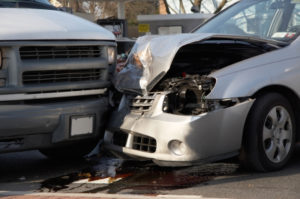
When physical injuries result in extensive medical procedures, long-term care, and / or life-altering conditions, the results can be immensely difficult for victims and their families to bear. With the potential to result in extreme repercussions to a victim’s physical, emotional, and financial well-being, catastrophic injuries require full and fair compensation.
From medical bills to lost wages and future earnings, injured victims often depend on damage recoveries to help them recuperate from their injuries and support themselves and their families during difficult times.
I have handled a number of catastrophic injury claims and I am prepared to fight tirelessly on behalf of local victims and families who are in need of fair compensation and proven legal representatives.
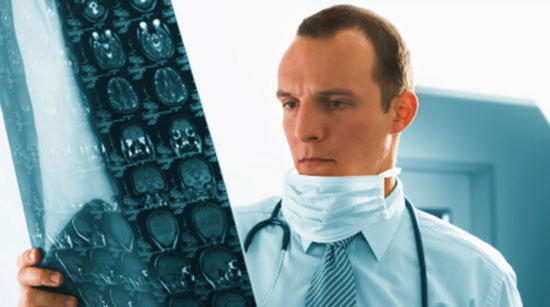
The construction industry can be one of the most dangerous workplaces.
This work includes many hazardous tasks and conditions, including work at height, excavations, noise, dust, power tools and equipment, confined spaces, and electricity. Due to these hazards, the construction sector has the highest rates of both fatal and nonfatal occupational injuries, falls being the most frequent cause.
In 2010, construction industry falls caused 267 deaths and 18,130 nonfatal injuries resulting in days away from work.

Common Causes Of Construction Injuries Are:
Ladder and scaffold accidents
Defective machinery accidents
Construction vehicle accidents
Crane accidents
Electrical accidents
Falling object accidents
Environmental hazards such as asbestos, noise, solvents, and mold

So who is accountable for when an injury or fatality occurs? The construction company is responsible for enforcing the Occupational Safety and Health Act safety regulations. The main goal of this act is to ensure that employers provide employees with an environment free from recognized hazards.
Workers’ compensation may help alleviate some of the financial burden; however, it may not be enough depending on the severity of the injury. In addition to workers’ compensation, an injured worker may be entitled to recovery from a third party, which includes general contractors, subcontractors, or manufacturers of equipment.
Although, there are many laws stated for when an on-the-job injury occurs, Chicago Construction Accident Attorney Phil Berenz can help you determine if there are any violations that may have caused the accident and any liability on the part of your employer or a third party.
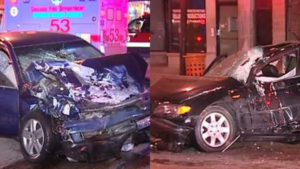
The first step in recovering damages after a car accident is determining who is at fault. When you work with our firm, we can assess the damage to your car, person, and/or property and inform you of your legal rights.
Since the at-fault party’s auto insurance company will quickly go about investigating the accident in an attempt to reduce the amount of money you are owed, Attorney Phil Berenz will also investigate your collision. Phil can argue that the other driver’s negligence resulted in the accident, using key pieces of evidence to prove their fault.
Proving liability is a fancy way of saying that you are going to prove who caused the car accident. Accidents usually occur because someone was negligent or failed to exercise enough caution while driving. It is important to determine liability as infallibly as you can, as the insurance company will look for every loophole they can to prove you wrong.

Each year, millions of innocent children and adults are seriously injured or even suffer wrongful death as a result of dog bite attacks. If you or a loved one have suffered a dog bite and don’t know what to do, Chicago dog bite attorney Phil Berenz is here to help.
I will help guide you through the necessary steps and provide you with the answers and direction you need. Do not hesitate.
Illinois has an “Animal Control Act” law. This law provides that the owner, harborer, or keeper of any animal is liable for injuries to people.
Although the Animal Control Act law uses the word “owner”, the term is defined as “any person having a right of property in an animal, or who keeps or harbors an animal, or who has it in his care, or acts as its custodian, or who knowingly permits a dog to remain on any premises occupied by him or her.” (510 ILCS 5/2.16)
A dog bite victim can bring a claim against a dog owner based upon the Animal Control Act. Additionally, a victim can bring a claim on the ground of negligence.

Understanding Your Rights After a Hit and Run
According to government statistics, hit and run accidents account for approximately 11% of all motor vehicle accidents. A driver who caused injury to another by careless, reckless or drunk driving has already violated the law. In leaving the scene of the car accident, they have now become criminally negligent.
If you or a loved one has been injured in a hit and run accident, it may be in your best interest to consult Chicago car accident attorney Phil Berenz as quickly as possible. Even if the police are unable to identify the negligent driver, you may still be able to recover compensation.
Can I file a claim with my own insurance company?
In the state of Illinois, all drivers are required to carry automobile insurance – the minimum of which is $25,000 per person and $50,000 per accident. However, drivers are not required to carry personal injury protection (PIP) or uninsured motorist covered (UM).
This means that your ability to recover damages from your own insurance company after a hit and run accident may be limited by the type of insurance coverage that you have acquired. When you meet with the team at Berenz Law Network, we can help you to assess your options and determine the best course of action.
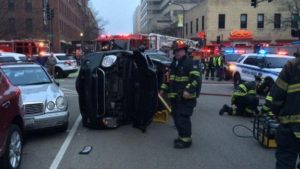
Struck at an Intersection? Get Us on Your Case!
At Berenz Law Network, we know that there is much to contend with now. Between the financial as well as emotional setbacks, and dealing with insurance companies, it can often be too much for one person to bear.
That is why we are here to help you. We offer free case reviews and convenient in-home or hospital visits. If you or someone close to you has been injured while driving or stopped at an intersection, then you have every right to take legal action.
Intersection are vulnerable areas of the road. Most of the time, intersection accidents occur because another person was driving recklessly or was negligent. For example, you may be stopped at a red light and another car barrels into you because they blew past the traffic lights.

When you choose a doctor or another health care provider, you are entrusting your health and well-being to another person. It is important to choose a qualified, caring professional with whom you can openly communicate about your medical problems and who can effectively diagnose and treat your condition. Chicago Medical Malpractice Lawyer Phil Berenz is here to fight for you.
Sadly, not all medical practitioners exercise the proper level of treatment and care with their patients. Doctors, nurses, pharmacists, specialists, physicians, therapists, and other health care providers can all make serious mistakes at the expense of their patients’ health and well-being.
Patients can become victims in the event that negligent medical providers misdiagnose a condition, prescribe the wrong medication, give out false information, or make other mistakes.

Every day people put their fate in the hands of trusted medical professionals. However, despite years of education and training, even members of the medical community make mistakes. Medical malpractice can cause extremely serious injuries and fatalities.
Patients and in some case family members harmed because of a doctor’s error or by the negligence of a doctor, hospital, nurse or other medical professional or facility have a right to obtain compensation for damages.
Medical malpractice is defined as the failure by medical professionals to meet the appropriate standard of care for their patients. Malpractice may occur during the initial diagnosis of a patient, before or during any type of medical procedure or in post-operative patient care.
Malpractice may also occur when a medical professional fails to recognize an important symptom or illness, discharges a patient prematurely or fails to prescribe an appropriate course of treatment.
Mesothelioma, a cancer of the lining of the lung called the “pleura,” is almost always caused by inhaling asbestos fibers. Every year thousands of workers and retired workers are diagnosed with this disease.
Chicago Mesothelioma Attorney Phil Berenz has been helping victims and their families obtain asbestos disease compensation for almost two decades. If you have been diagnosed, it is important that you speak with a mesothelioma lawyer.
Below we briefly discuss the symptoms, diagnosis and treatments available to those diagnosed with this form of cancer, and how we can help you and your family with a mesothelioma claim.
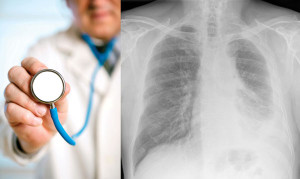
There are generally two types of mesothelioma. The most common is pleural, and the second is peritoneal. Pleural affects the lining of the lung, and peritoneal mesothelioma affects the abdominal lining.
The most common symptoms are shortness of breath; pain while breathing; chest, back or shoulder pain; difficulty swallowing; frequent coughing and unexplained fever.
Symptoms of peritoneal mesothelioma include abdominal pain and swelling, nausea, loss of appetite and bowel problems.

Mesothelioma is usually diagnosed following an x-ray or CT scan which detects fluid around the pleura of the lung or peritoneum of the abdomen.
A biopsy may also be used by doctors to obtain tissue which is examined by a pathologist to confirm a diagnosis.
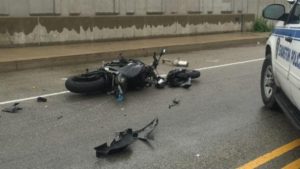
Approximately three-quarters of all motorcycle accidents in Chicago involve collisions or near-collisions with another car or truck on the road.
Much smaller in size and weight than other motor vehicles, motorcycles are often overlooked or unnoticed by other drivers on city streets and state highways. The result can be a collision of catastrophic nature, resulting in a lifetime of medical bills and emotional suffering.
The discrepancy in size and weight between motorcycles and other automobiles often puts motorcyclists at a much higher risk of injury or fatality.
Given the fact that many of these accidents are the result of a defective vehicle part and/or a negligent automobilist, legal action should be taken on behalf of the injured rider. To do so, we encourage you to speak with Chicago motorcycle accident lawyer Phil Berenz.
The amount of time you have to file a claim is limited, so do not wait to call our office.
Our legal team is available to discuss your case 24/7!
Choosing a nursing home for your loved one is a difficult decision that should not be taken lightly. Every effort should be taken to ensure that the facility is safe, sanitary, and provides your loved one with the type of care he or she needs. Chicago Nursing Home Abuse Lawyer Phil Berenz is here to compassionately fight for YOU!
Sadly, abusive conditions exist in many nursing homes, and despite your intentions to find a quality care facility, your loved one may have suffered from the malicious or negligent actions of an aide, nurse, or other nursing home worker.
No one should have to experience abuse or neglect at the hands of their caretakers, so if you or your loved one has been a victim of nursing home abuse, I want to help you take action against those responsible for such reprehensible and inexcusable treatment.
Chicago Nursing Home Abuse Cases
While no one ever expects that the assisted living facility where their family resides could be responsible for committing acts of neglect and/or abuse, the sad reality is that more than 30% of such facilities in the United States have committed some form of abuse, and this statistic only takes into consideration cases that have been reported.
Federal and Illinois laws guarantee nursing home residents certain rights when staying in a nursing home. Among these rights are the right to a clean and safe environment, the right to the proper medical care, the right to make decisions about that care, the right to a certain amount of daily attention, and a stay that is free from abuse or neglect.
Unfortunately, many nursing home workers in Illinois do not always honor these rights, and residents end up abused or neglected.
If you believe that someone you love at a Illinois nursing home is the victim of abuse or neglect, you should notify local authorities and contact Attorney Phil Berenz and Berenz Law Network right away.
We have helped many nursing home abuse and neglect victims and their families in Chicago and throughout Illinois recover personal injury compensation for their injuries, pain and suffering, and other damages.
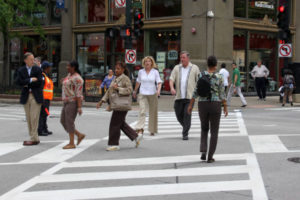
According to the National Highway Traffic Safety Association (NHTSA), about 5,000 pedestrians are killed every year in accidents involving motor vehicles. Another 78,000 pedestrians are injured in similar accidents. Thousands more pedestrians are also injured in non-automobile accidents such as trips and falls caused by poor property maintenance, sidewalk defects, and construction flaws.
For the victim of any type of pedestrian accident in Chicago, Attorney Phil Berenz and his team are here to help, so don’t hesitate to contact us for a free consultation.
Proving Negligence in a Pedestrian Accident
To recover damages for an accident that was caused by a property defect or motor vehicle collision, the victim must prove negligence (the defendant’s failure to meet a standard of care, thus resulting in the accident).
A lawyer at our office can review your case to prove the following when you make a claim:
Examples of acts of driver negligence that can lead to pedestrian accidents include:
If you have been injured in an accident, you may suffer from extensive injuries. Chicago Personal Injury Attorney Phil Berenz will FIGHT for YOU!
Although you simply want to rest and recover from your accident, you may unfortunately find yourself faced with extensive medical bills and other costs, as well as time lost from work.
In addition, some injuries are long-term or disabling, requiring follow-up care and additional expenses. Injuries from an accident can interfere with your normal, everyday life, and can even affect your relationships and family life.
As a Chicago injury attorney, I consider our clients as part of our family. When there is damage done to our client because of the negligence of another party, regardless if it’s physical or psychological, we are here to fight for your rights.
As your Chicago injury lawyer, my team and I will find all of the resources surrounding your accident and get you compensated for the amount that you deserve. You might be eligible to recover damages for injury, loss of wages, emotional loss, etc..
Personal Injury FAQ
Counsel from a Chicago Personal Injury Lawyer
Personal injury accidents are frustrating, especially as the carelessness and negligence of someone else caused your suffering and now you are left to deal with the consequences. Fortunately, with the help of a Chicago personal injury lawyer, you can trust that your suffering will not go without compensation.
Berenz Law Network has over 16 years of experience in personal injury law and countless successful verdicts on our record. Our frequently asked questions below is a great place to get started for your uncertainties regarding your case. For personalized counsel, contact us today and we would be honored to assist you if possible.
Common Questions Regarding Injury Claims
How much compensation will I be able to recover?
The total amount of compensation varies from case to case and depends on multiple factors. When evaluating your case, we will look at your medical expenses, lost wages, and pain and suffering. The more serious your case, the more compensation you are likely to receive.
Why does negligence matter?
Negligence matters because this is the basis of your personal injury case. By proving negligence, you prove that the other party did not exercise enough caution, and this is what caused your injuries.
How long do I have to file a lawsuit?
The state of Illinois follows a statute of limitations which determines how long you have after your injury to file a lawsuit. Typically, you have two years from the date of your injury to file a lawsuit. If you wait too long, you will be unable to file.
Premises liability holds property owners and occupiers responsible for injuries that occur on that property. Property owners and occupiers have a basic obligation under the law to keep visitors safe while on their property.
Premises liability cases can occur on private or public property, residential or commercial property, inside or outside of a building. These cases can result from various situations as long as the injury occurs on the property of another.
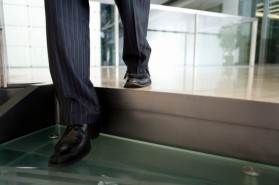
Some examples are building code violations, dangerous conditions on sidewalks, driveways, or parking areas, falls on slippery floors, hallways, or stairways, fires, swimming pool accidents, and even criminal attacks caused by inadequate security.
The time limit for filing a premises liability case is shorter for accidents that occur on government owned property.
Under the law, there are several factors that determine whether the property owner or occupier is liable for injuries sustained by a visitor to the property.
When you purchase a product from the store, you are probably not thinking about potential defects that could cause harm to you and your family. It is the responsibility of the product manufacturer to create a quality product and sufficiently test it to be sure that it poses no risk to consumers. Unfortunately, this is not always the case.
Sometimes companies cut corners to save money and increase the speed of production, outsource manufacturing to other companies who use unsafe products, or do not thoroughly test a product before releasing it on the market.
If you or a loved one has been injured by a malfunctioning or defective product, you need a qualified product liability lawyer to examine your case, determine who is at fault, and fight to get you the compensation you need for any injuries or damages suffered.

You May Have A Case
Regardless of whether a defective product has been officially recalled, you may still have a product liability case. The validity of your case is not contingent upon whether a recall was issued. Product liability can be established if there was a flaw in the product’s design, if there was an error made during the manufacturing process, if the product was irresponsibly marketed with improper or insufficient directions for use, or if the manufacturer failed to adequately warn consumers of potential dangers.
Common Dangerous Products
Dangerous problems can arise at any point in the manufacturing, shipping, storage, or use of a product.
I and my experienced team can handle a variety of product malfunction cases, including those that involve:
Pharmaceutical products
Food products and containers
Childcare products and children’s toys
DePuy Hip Implants
Manufacturing defects
Design defects

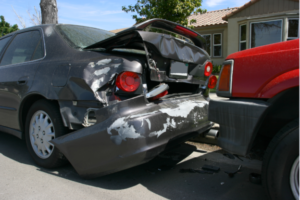
While many people view rear-end collisions as minor car accidents or fender benders, they often cause a great deal of damage.
At Berenz Law Network, Chicago car accident attorney Phil Berenz provides compassionate and zealous counsel to individuals who have been injured in rear-end collisions. Do not suffer in silence! You may be eligible to receive compensation for your injuries. Phil is here to review your case and help you determine the best course of action after your accident.
History of Success in Chicago
Over the last 17 years, our firm has secured millions of dollars in settlements and verdicts for accident victims like yourself. We understand just how devastating the aftermath of a car crash can be, which is why we make ourselves available to clients 24 hours a day, 7 days a week.
We also offer legal representation on a contingency fee basis, which means that you don’t pay us any fees up-front or out of pocket. Instead, you only pay for our services if we make a recovery on your behalf.
Factors that Often Contribute to Rear-End Accidents
Rear-end collisions often reveal who was at fault much easier than other types of car accidents. Either the driver in front aggressively or frantically stopped their car without proper warning or time for reaction from the driver behind them, or the driver following didn’t take proper precaution in keeping a safe distance. These types of accidents can be caused by a wide range of factors.

Consult With Chicago Car Accident Attorney Phil Berenz Today!
More commonly called T-bone collisions, side impact accidents are no new phenomenon on the road. If you or a loved one was involved in such a car accident, it’s an experience you will likely remember for many years. Injuries are common and cars often experience much damage from side impact accidents.
Our firm regularly represents clients dealing with the repercussions of these accidents. From the first phone call to the last, we offer a comprehensive level of legal assistance that you won’t find in many other firms.
We’ve recovered millions for Chicago residents and look forward to acting as your Chicago auto accident attorney for the duration of your personal injury case.
Proving Fault in Your Accident
The first thing that rolls off someone’s lips after an accident is often, “But it wasn’t my fault!” As much as you’re convinced you had nothing to do with the accident, it will take work on your attorney’s behalf to prove this fact to the insurance company.
 Chicago Slip & Fall Accident Attorney
If you have been seriously injured in a private residence, public, government or commercial property due to the negligence of a property owner, you may be entitled to compensation.
It is the responsibility of a property owner and / or manager to maintain an adequate standard of care in the event that a visitor will be entering the premises, so when potentially hazardous conditions are ignored—including spills left on the floor, slick or oily surfaces, uneven pavement, etc.—they may be held accountable for their negligent actions through the concept of premises liability.
How Can You Receive Compensation?
To make a valid case against the responsible party, you must be able to show that:
-The owner or property manager was aware of the hazardous condition and failed to remedy the problem in a timely manner
-The owner or property manager should have known of the danger—in the case that any other reasonable person in the same position would have recognized and remedied the problem
If you have reasonable evidence to prove that either of these factors lead to the accident that has caused you harm, you should not hesitate to take legal action.
In the aftermath of a slip and fall accident, it is important to act quickly by retaining the assistance of an experienced Chicago slip and fall attorney as soon as possible after an injury was sustained. Attorney Phil Berenz is here to help.
Slip, Trip & Fall Accidents in Chicago: Act quickly!
Owners and tenants of retail stores, grocery stores, restaurants, government buildings, private residences and business offices have a duty to maintain the property in a reasonably safe condition and to post warnings when a hazard exists.
Children, pregnant women, and the elderly are especially likely to be severely injured in a slip and fall accident. After an injury has occurred, the owner or staff members will take steps to resolve the hazard to ensure that no one else will be injured in the future, and to ensure that evidence that could be used against them is quickly removed.
After a slip and fall accident, the insurance company involved will frequently dispatch investigators to conduct interviews of witnesses and gather evidence to assist in limiting owner or tenant’s liability. It is very important to quickly contact Slip and Fall Lawyer Phil Berenz who can take immediate steps to photograph and document the accident scene and preserve evidence vital to proving the facts of your case.
Truck accidents can have a devastating effect on the victims and their families.
The level of harm resulting from a truck accident is often much more severe, and a person in a truck accident is more prone to sustain a serious injury.
The assistance of an experienced attorney is important to recover appropriate financial compensation to cover medical costs, loss of wages and other expenses, as well as for pain and suffering, and disability.
A lawyer’s extensive experience in handling personal injury cases is critical to obtaining equitable compensation for victims of truck accidents.
Personal injury claims involving truck accidents are often complicated by federal regulations and the fact that most commercial vehicles are owned by companies that can afford to spend large sums defending a case. In these instances a skilled lawyer who is familiar with navigating these factors can be of great benefit.
My experience has earned the trust and confidence of my clients throughout Illinois.
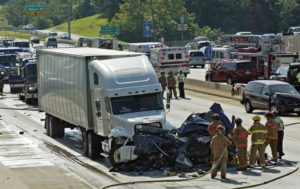
After a Chicago truck accident, it is not always clear who is at fault. In most cases, a detailed investigation is required to get a clear answer. Although it may seem obvious that the truck driver was the one to blame, they might not be the only party responsible.

A motion blurred photograph of a patient on stretcher or gurney being pushed at speed through a hospital corridor by doctors & nurses to an emergency room
Millions of car accidents take place each year, causing countless injuries and costing thousands in property damage. Although injuries can vary widely depending on the nature of the accident, common types stand out. No matter how you were hurt, Chicago car accident lawyer Phil Berenz can protect your right to recover compensation.
Our firm exclusively handles personal injury suits and works to protect the rights of the injured at all times. At Berenz Law Network, we have already recovered millions of dollars for our injured clients. We understand the traumatic nature of injuries and make ourselves available 24/7 to answer questions and allay your fears.
Common Injuries for Car Accident Victims
Any injury can be devastating depending on the severity, and you should seek medical attention right away if you have been in an accident, remembering to hold on to receipts of the medical attention you receive to show your attorney.
Common car accident injuries include:
Emotional distress can also follow car accidents. This can be as serious as experiencing post-traumatic stress disorder symptoms and other psychological disorders as well.
These injuries can translate to expensive medical bills related to doctor visits, prescription medication, surgeries, rehabilitation, property damage, and other losses.
No Fee Unless We Win Your Case
This is where Attorney Phil Berenz can get to work putting together a case for compensation which can recover funds to pay your medical expenses, past and future lost wages from work, and damage to your vehicle. A suit can also obtain compensation for your emotional distress and pain and suffering.
When you or a loved one is injured in a car accident, do not hesitate to reach out to Berenz Law Network for a comprehensive evaluation of your case and critical legal counsel so you can move forward with your life.
All you need to do is go to the doctor, we will handle everything else.
If a work-related injury occurs, there are certain things that need to be done, from seeking immediate medical treatment to payment of lost wages, called temporary total disability. I will handle your case with personal care and attention in all stages, from initial injury to settlement or trial.
I am committed to seeking the best possible outcome for my clients’ cases. My thorough approach to analyzing critical information is a skill I have acquired through years of dedicated law practice. I assist my clients with the filing of their claims, obtaining benefits, settlement and going to trial if necessary.
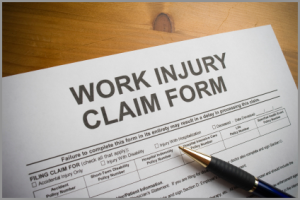
Different types of workplace injuries qualify for workers compensation. Generally, to be eligible for benefits, your injury must meet the following requirements:
Workers’ compensation laws are designed to protect employees who are injured or disabled on the job by providing them with certain benefits. In return, these employees relinquish some of their rights in seeking redress.
My law firm has the skill and knowledge to allow us to obtain the best possible compensation for our clients.
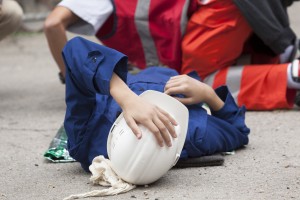
If you are unable to work for three or more days because of a workplace injury, you should take the following actions:

After an accident in Chicago, there are certain actions you must take – and others you must avoid.
At Berenz Law Network, we know how an injury claim can be compromised if you make the wrong move. We can help you pursue the compensation you deserve, and we urge you to follow these steps so that your case can progress without difficulties.
#1: Call Law Enforcement to the Scene
Get law enforcement on the scene so that you are protected from other vehicles moving in the area, as well as to make a police report regarding the accident. Take the name and badge number of the officers so that the report of the accident can be obtained easily later.
#2: Get Names, Addresses and Phone Numbers
It could be important to have the names, addresses and phone numbers of any witnesses, in addition to the other driver. In many cases, the responsible party could claim that they were not the cause of the accident, but the witnesses that were present could help to support your claim.
#3: Seek Medical Treatment Immediately
Whether you have just had a slip & fall, a car accident, or you were injured in any other way, the most urgent issue is to get medical treatment. If you can move, have someone drive you to the emergency room or your doctor. This should take place as early as possible after the injury.
#4: Call Chicago Accident Attorney Phil Berenz at 312-375-6524 Anytime Day or Night
Get legal representation as early as possible after the accident. At Berenz Law Network, we ensure that every detail of your case is managed professionally, with your interests as our focus. Phil Berenz and his skilled legal team take care of all the legal issues in pursuing compensation, so you don’t have to be concerned or deal with confusing legal issues.
#1: Don’t Admit Fault or Discuss the Accident
It is important that you don’t engage in a discussion about the accident with anyone present. When law enforcement is involved, be polite and recount the incident as accurately as possible, but you may want to avoid accepting blame – it may have been another party’s actions that led to the accident.
#2: Don’t Talk to an Insurance Adjuster
Insurance companies, even your own, are not interested in paying out the maximum amount of compensation available. They ask questions geared toward finding ways to reduce your claim. Allow our firm to take on this task so you don’t make errors that could reduce your settlement.
#3: Don’t Release Your Medical Records
If an insurance company is asking for your medical records, allow our firm to manage this process. It can make a big difference in how much you get in a settlement if this aspect of your case is managed correctly. We know how to best protect the rights of the injured – it is what we do.
It is very devastating when a loved one dies from the reckless actions or wrongdoings of another. Chicago Wrongful death cases arise in many different ways, including: automobile accidents, medical malpractice, crime, work site accidents, and slip and fall accidents.
Unlike a personal injury case, where the injured person is the plaintiff, a wrongful death case is brought by the family members for their tragic loss as a result of the death of their loved one caused by another’s wrongful actions.
I can help you determine which family members are authorized to bring a Chicago wrongful death lawsuit.
Two potential claims
In Illinois, there are two potential claims one can file after a wrongful death.
Survival Act: the estate of the person who died can bring a claim against the negligent wrongdoer for the benefit of the estate.
Wrongful Death Act: family members of the person that died can bring a claim against the negligent wrongdoer for the benefit of the family members.

Compensation for the loss after a wrongful death
My goal is to get compensation to the family members for the loss of a loved one whom is eligible under the law. I understand that I cannot erase the pain of losing a loved one, but I can help with the financial burdens after such a loss.
Compensation is available for many different aspects of losing a loved one:
-Loss of companionship, sorrow, mental anguish, comfort, and guidance
-Expected loss in income of the person who died
-Expected loss of service, protection, care, and assistance the person who died provided to the family members
-Expenses for the care, treatment, and hospitalization of the person who died related to the injury resulting in death
At my law firm, we understand that a wrongful death is a profoundly tragic event. The families of the decedent are left with extremely difficult emotional and financial losses. No amount of money can ever replace the love and support of a family member, but a wrongful death claim can assist in easing the financial burden imposed by the decedent’s loss.

Berenz Law Network in all areas have been helping people heal financially and emotionally for more than a decade. Our attorneys have secured multi-million dollar settlements on behalf of our clients. We don’t represent insurance companies or large corporations.
Our firm’s mission is to give our fellow citizens of lauber with Berenz Law Network a way to fight back against the wealthy and powerful when they have been wronged. We believe that justice is something everyone is entitled to, not just the wealthy or powerful.
If you have been injured because of the careless actions of someone else, the law entitles you to seek monetary compensation for your injuries. At Berenz Law Network in all areas, our goal is to promote public safety by enforcing the laws that protect you against the negligent actions of others.
Obtaining the best results possible for our clients is what motivates and drives us each and every day. Contact our attorneys today for a free consultation.
Hiring a Chicago accident attorney is an important decision. What should you look for? First and foremost, you want and deserve an experienced team of legal professionals with proven results. At Berenz Law Network we have a track record of obtaining personal injury verdicts and settlements that maximize the legal value of our clients’ claims, including numerous multi- million dollar results. If you need legal assistance, call our Chicago personal injury lawyers today.
Berenz Law Network helps individuals in Chicago pursue their legal rights when they have suffered personal injuries. We focus on cases involving car accidents, bike accidents, drunk driving accidents, wrongful death and all personal injury related matters.
We invite you to take a look at our results, read about our attorneys, and browse our blogs for more information on Chicago personal injury law. If you have been injured because of the careless actions of someone else, contact our Chicago accident attorney today so we can help you assess your legal rights.